Computing Limits · IPv4
The day the internet ran out of addresses
Every device on the internet needs an address, just as every house needs one for the post to arrive.
In the 1970s, the people designing the internet chose how many addresses there would ever be. They picked a number that seemed absurdly generous: 4,294,967,296.
It was not enough.

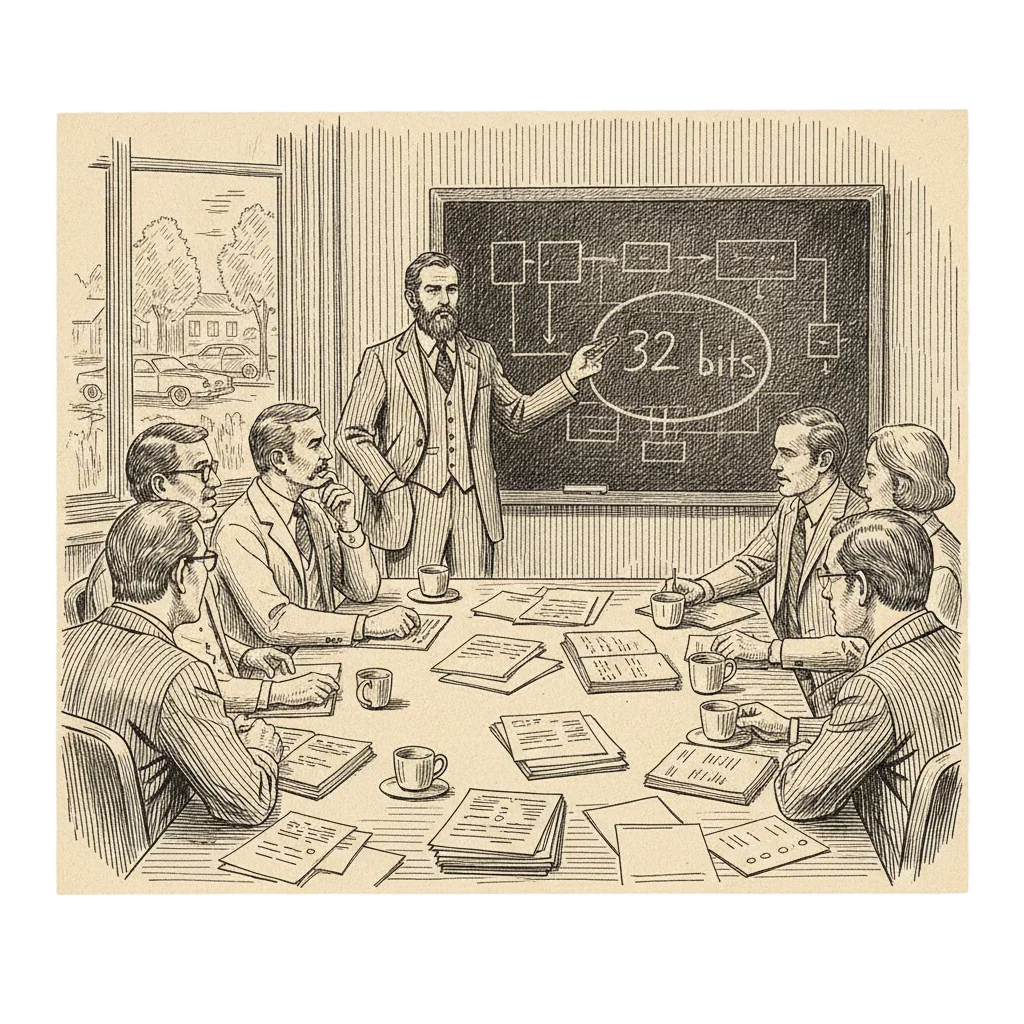
In the mid-1970s, Vint Cerf and Bob Kahn were designing a new way for computer networks to talk to each other. It would become the basic language of the internet, known as TCP/IP.
One question kept coming up: how long should an address be?
Longer addresses meant room for more machines, but they also cost precious memory and bandwidth on the computers of the day. Engineers argued back and forth.
In 1977, Cerf settled it. Addresses would be 32 binary digits long.
That gave about four billion possible addresses - at a time when the whole network connected a few hundred computers in universities, labs and military sites.
Four billion seemed like more than the world would ever need. After all, this was a research project.
"I thought it was an experiment."
Decades later, Cerf looked back on that choice with a smile:
"I was the guy who decided that 32-bit was enough for the Internet experiment. My only defense is that that choice was made in 1977, and I thought it was an experiment."
And then:
"The problem is the experiment didn't end."
Vint Cerf
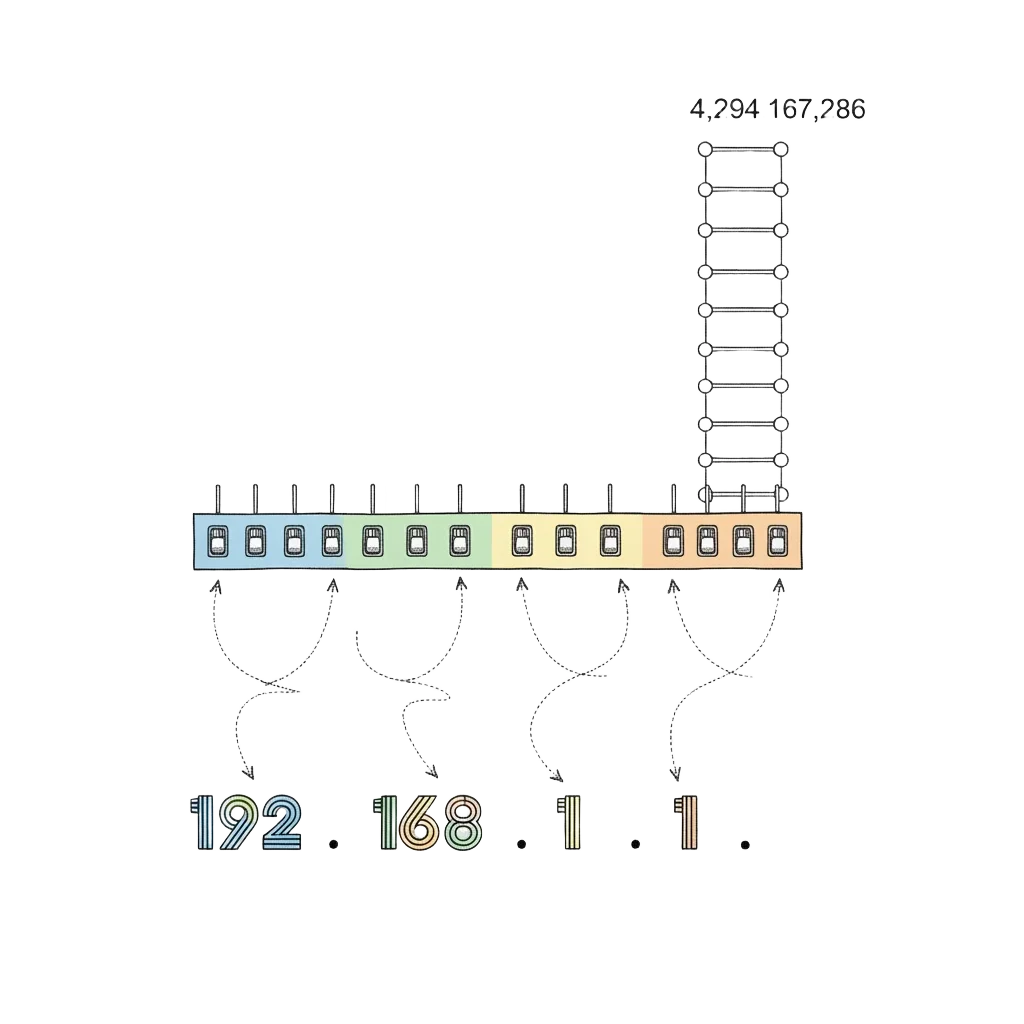
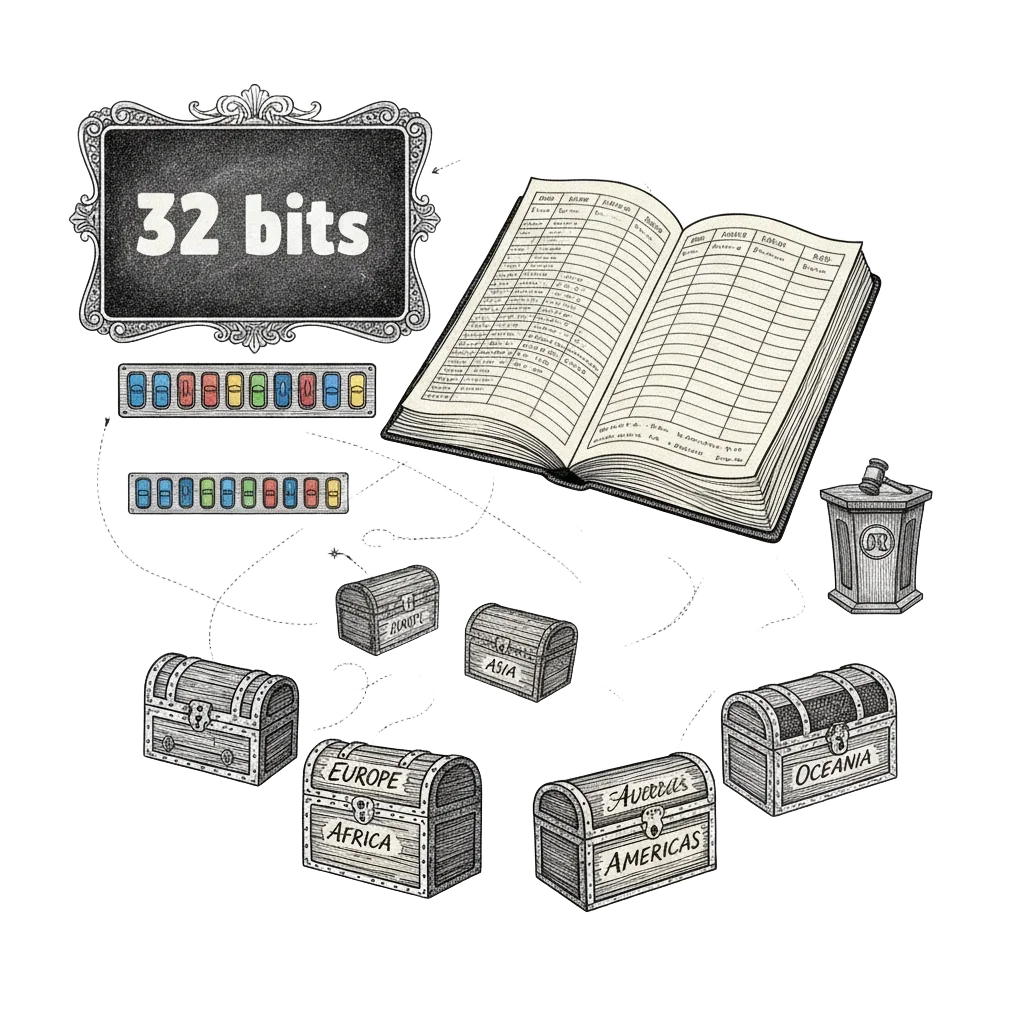
Imagine a row of 32 light switches, each either off or on.
One switch gives 2 patterns. Two switches give 4. Three give 8. Every new switch doubles the number of patterns.
Double it 32 times, and you get:
2³² = 4,294,967,296
That is exactly how many different 32-bit addresses there can be.
To make them easier for humans to read, the 32 switches are split into four groups of eight. Each group of eight - a byte - counts from 0 to 255. So an address is written as four numbers with dots between them, like 192.168.1.1.
Four bytes, each with 256 possibilities: 256 × 256 × 256 × 256 = 4,294,967,296.
It is the same number either way. It also happens to be exactly twice 2,147,483,647 plus two - the neighbouring limit in this museum that runs out in 2038.
4,294,967,296 sounds enormous.
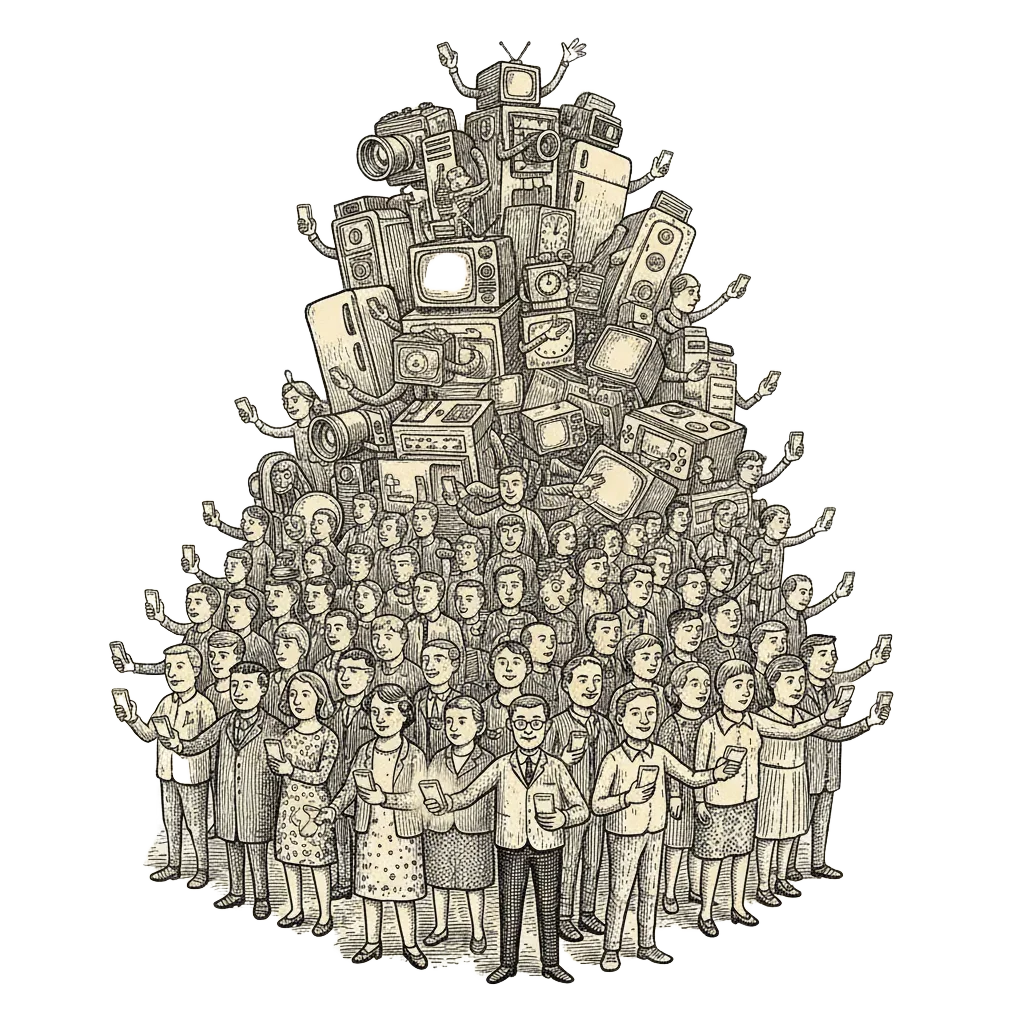
But there are now more than eight billion people on Earth. If every person got one address, there would not be enough to go round - only about one address for every two people.
And people are not the only things that want to be online. Phones, laptops, tablets, televisions, games consoles, printers, doorbells, cameras, cars, watches, servers, fridges and lightbulbs all want addresses too.
Not every one of the four billion can even be used. Large blocks were set aside from the beginning for special purposes: private home networks, testing, experiments and more.
The "absurdly generous" number was always going to run out. The only question was when.
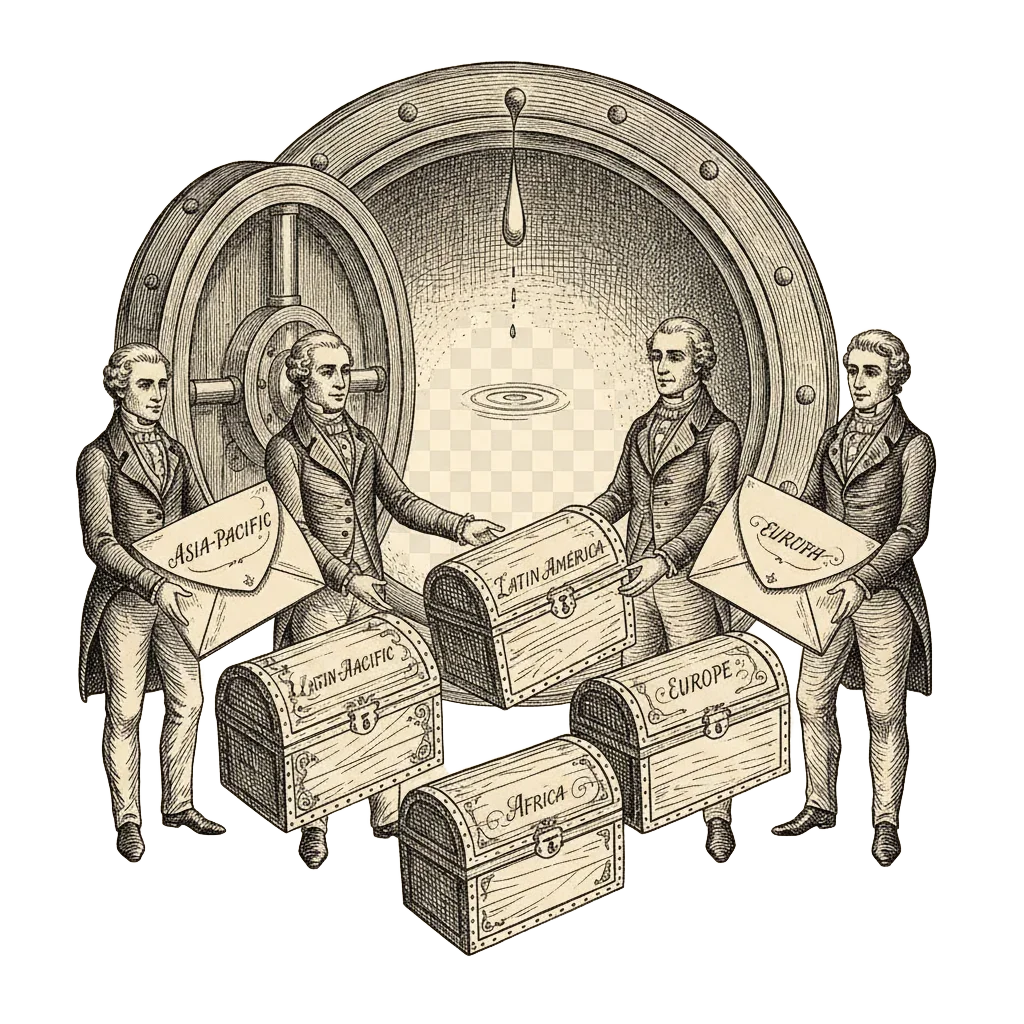
For decades, internet addresses were handed out in big blocks by a central body, the Internet Assigned Numbers Authority (IANA), to regional registries around the world, which passed them on to internet providers, universities and companies.
In the early days, some organisations were given blocks of more than 16 million addresses each. Nobody worried. There seemed to be plenty.
Then came the web, then smartphones, then everything else.
On 3 February 2011, at a ceremony in Miami, IANA handed out its final five large blocks - one to each of the world's five regional registries.
The central pool was empty.
The regional registries ran dry one by one over the years that followed: Asia-Pacific in 2011, Latin America in 2014, North America in 2015, Africa in 2017, and Europe in 2019.
The internet had officially run out of new addresses.
When something runs out, it becomes valuable.
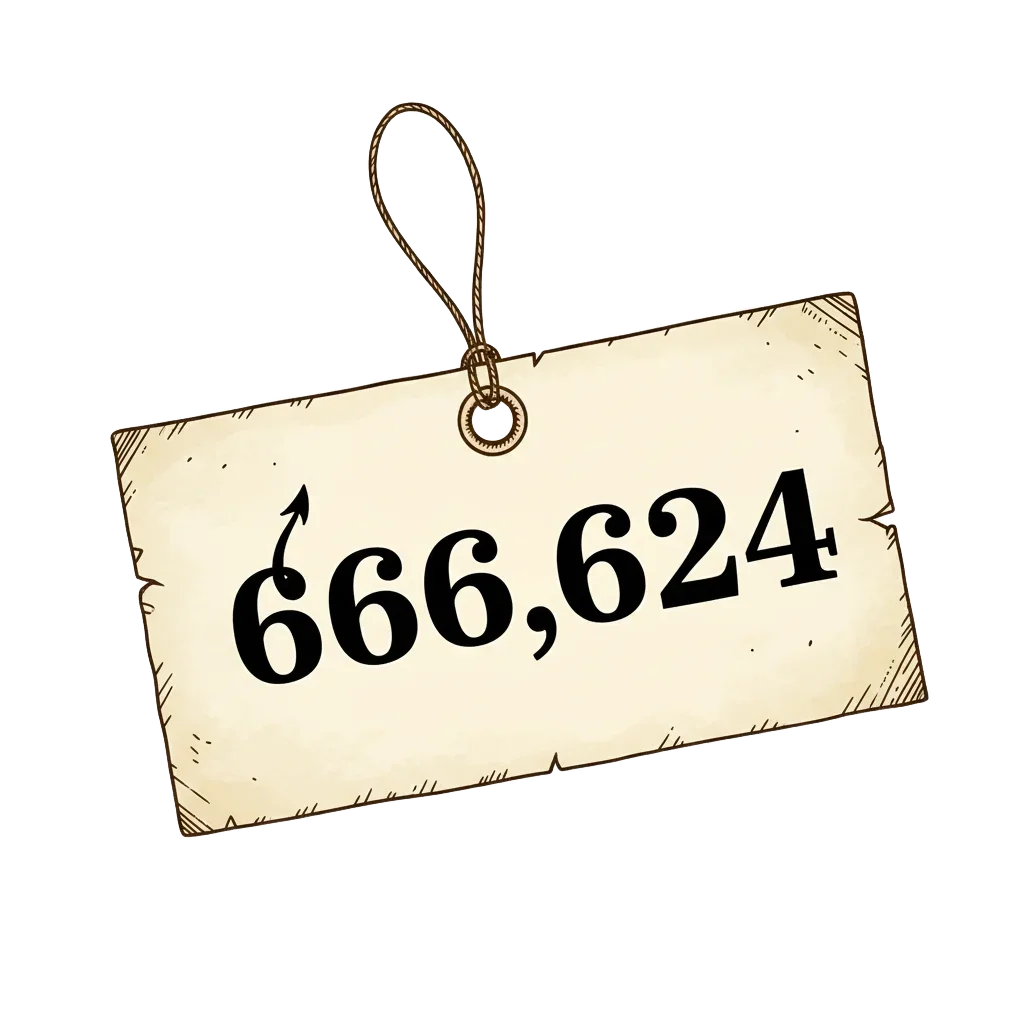
In 2011, just weeks after the central pool emptied, Microsoft paid $7.5 million for 666,624 internet addresses from the bankrupt telecoms company Nortel - about $11 per address.
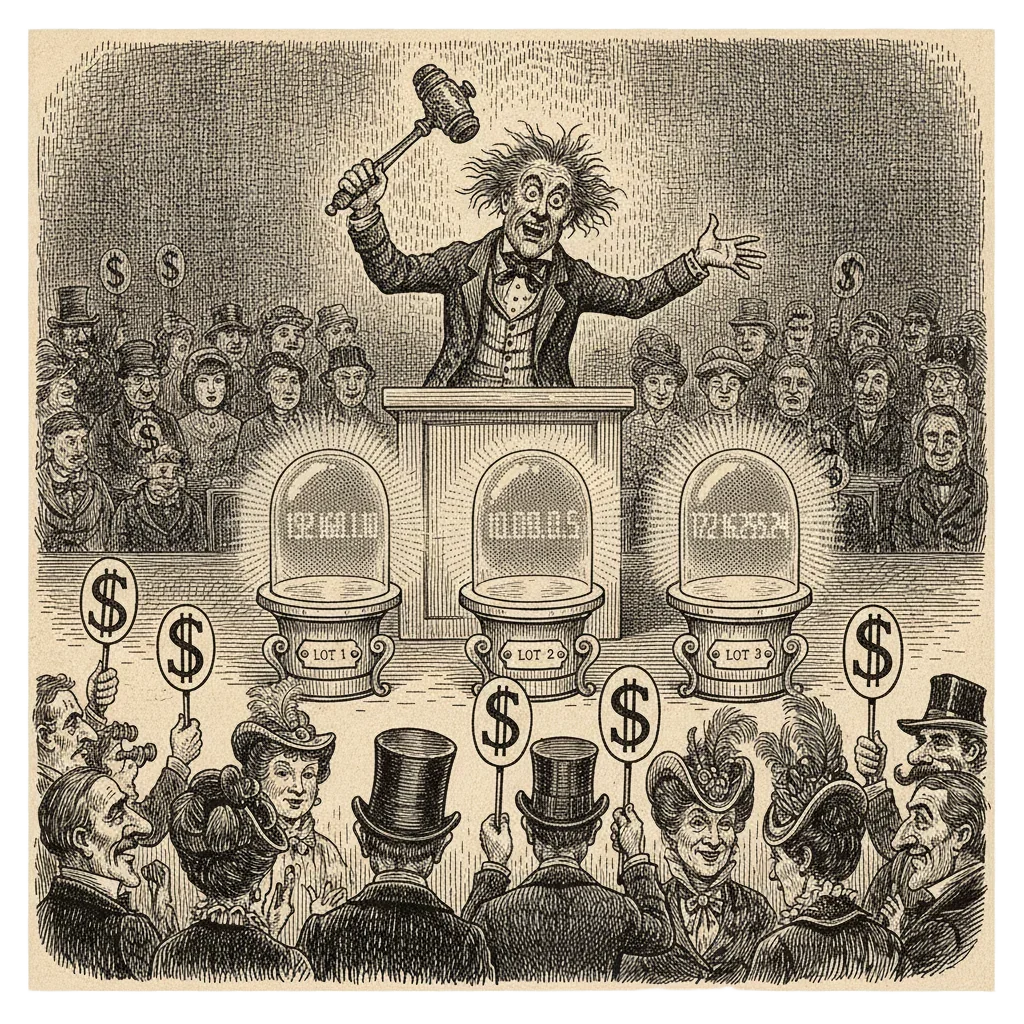
Since then, a whole market has grown up. Companies buy, sell and rent old addresses from one another. In recent years, a single address has typically changed hands for somewhere in the region of $20 to $50, depending on the size of the block.
A number made of 32 switches had become a kind of property.
A suspicious number.
The Microsoft purchase was for exactly 666,624 addresses - a number that begins, a little ominously, with 666.
So how are billions of devices still online, if there are not enough addresses?
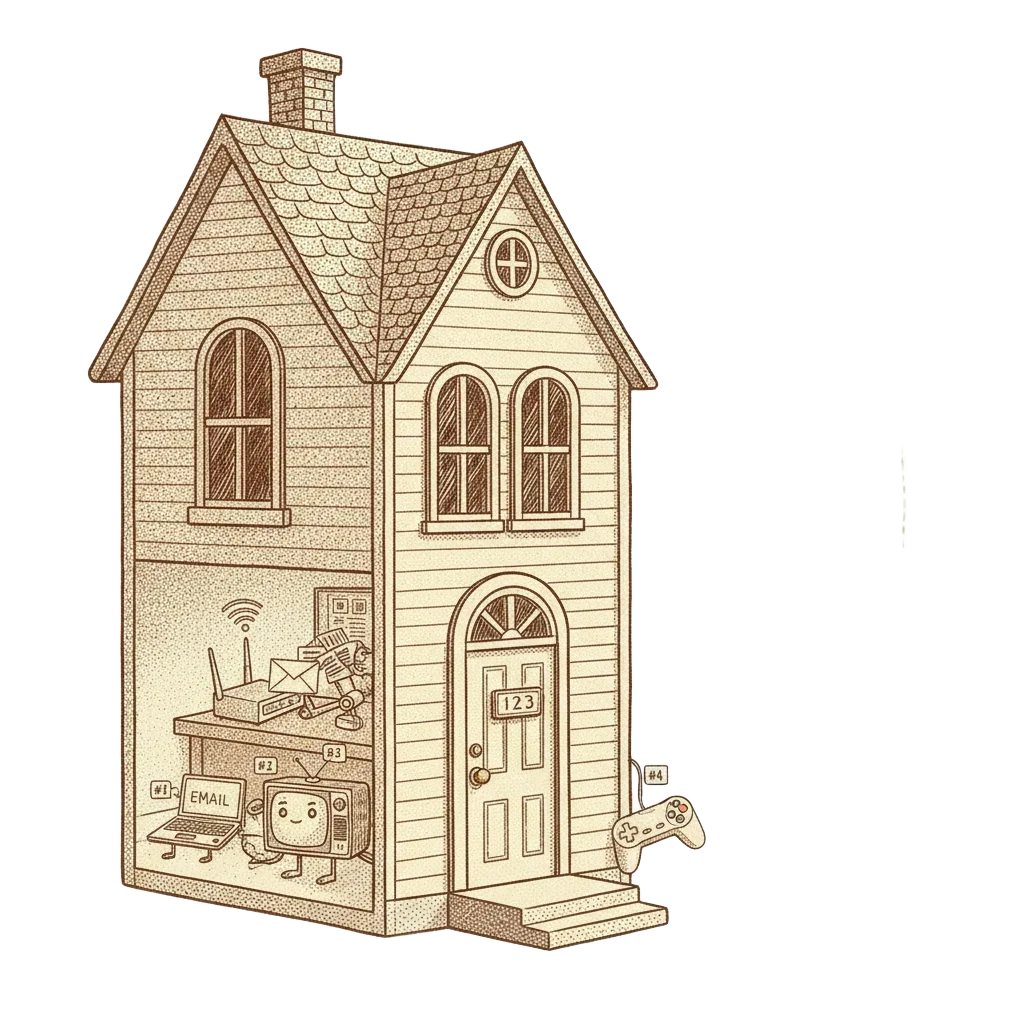
The main trick is called NAT - network address translation.
Think of a large office building with one street address. The post arrives at the front desk, and staff pass each letter to the right person inside. Outsiders see one address. Inside, hundreds of people share it.
Your home router does the same thing. Every phone, laptop and television in your house gets a private address that only works inside your home, while the whole household shares one public address on the internet.
Internet providers now often do the same thing on a much bigger scale, putting thousands of customers behind shared addresses.
It works. But it is a patch, not a cure.
The real fix is a new version of the internet's address system, called IPv6.
Instead of 32 switches, IPv6 addresses have 128.
That does not make four times as many addresses. Because every switch doubles the total, it makes 2¹²⁸ of them:
340,282,366,920,938,463,463,374,607,431,768,211,456
For every single address in the old system, IPv6 has about 79 billion billion billion more.
That is enough to give every person alive tens of billions of billions of billions of addresses each.
The switch-over has been slow - the old and new systems have to run side by side - but it is happening. In 2026, for the first time, more than half of the users reaching Google did so over IPv6.
4,294,967,296 is a number that almost everyone has used without ever seeing it.
It sat underneath the growth of the web, of email, of smartphones and of streaming. It was the size of the world's address book for the most important decades of the internet.
And its story is a very human one. A sensible choice, made for a small experiment by people who could not have imagined smartphones, grew into the backbone of a planet.
The experiment did not end. It simply became the world.
It is 2³² - the number of patterns you can make with 32 on-off switches.
It is the total number of addresses in the original internet address system, IPv4.
Vint Cerf chose 32-bit addresses in 1977, for what he thought was an experiment.
Addresses are written as four bytes, each from 0 to 255, like 192.168.1.1.
The central pool of addresses ran out on 3 February 2011.
Addresses are now bought and sold, often for tens of dollars each.
NAT lets many devices share one address; IPv6 offers 2¹²⁸ addresses.
Four billion addresses seemed like forever.
4,294,967,296 is what "plenty" looked like before the whole world came online.
There are more numbers
No syllabus. No signup. Just exhibits. Pull open a drawer, read a label, and let the collection take you somewhere you did not plan to go.
Powered by DollarPageClub