
two cubes, two ways
A number that arrived in the back of a taxi and changed how mathematicians think about coincidence.
ReadThe year that refuses to fit the calendar
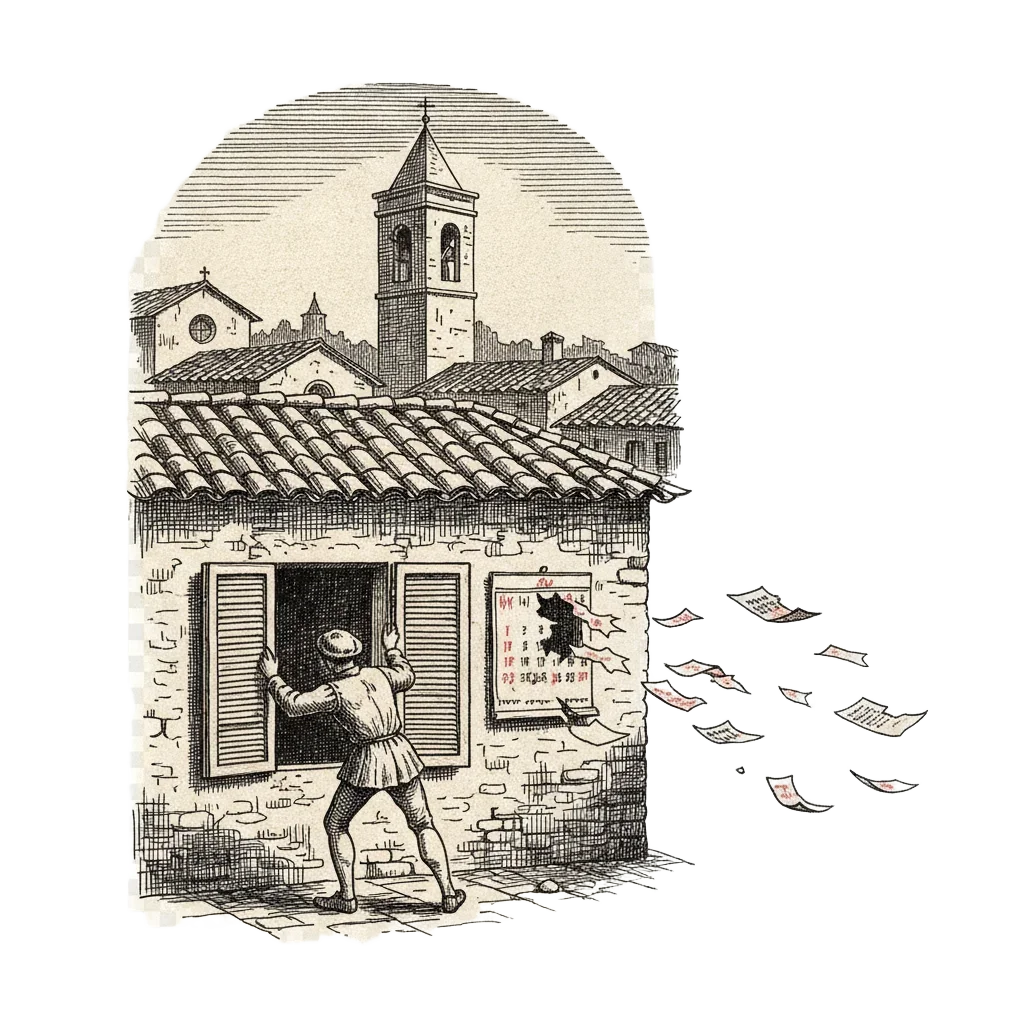
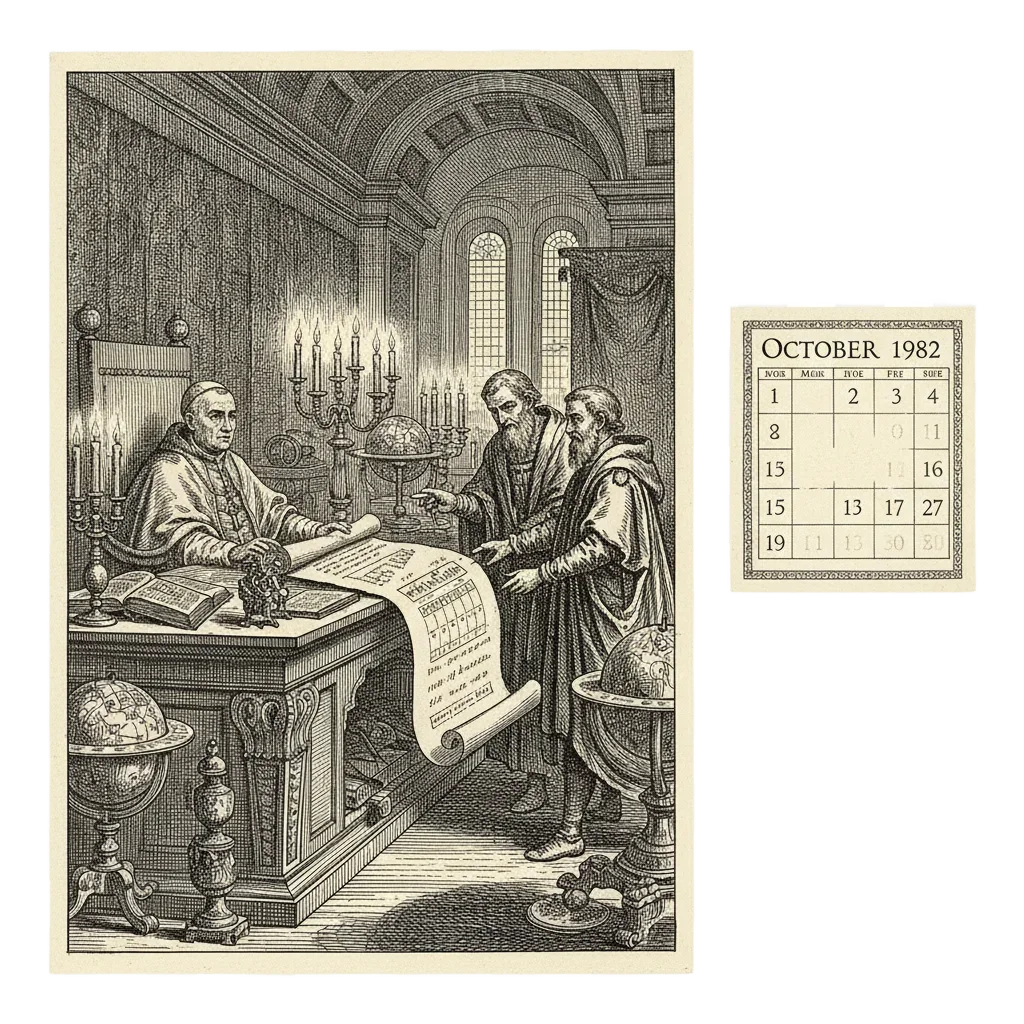
In the autumn of 1582, millions of people went to bed on Thursday, 4 October.
They woke up on Friday, 15 October.
Ten days had simply vanished - by order of the Pope.
The reason was a small, stubborn number: 365.2422.
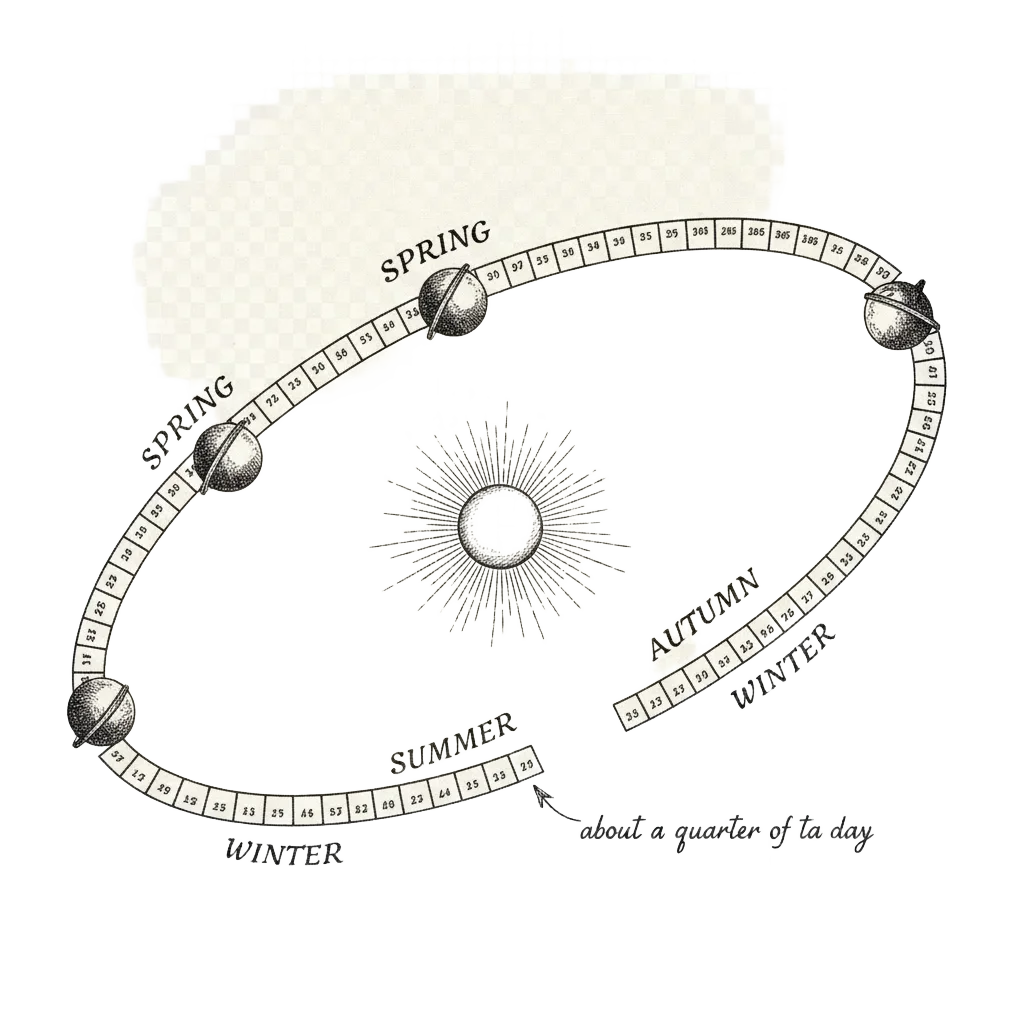
A year is the time it takes the seasons to come round again - from one spring to the next. It would be very convenient if that took a whole number of days. It does not.
From one spring equinox to the next takes about 365 days, 5 hours, 48 minutes and 46 seconds. Written as days, that is about 365.2422.
The trouble is that a calendar can only count whole days. You cannot have a quarter of a Tuesday.
So every calendar in history has had to wrestle with that leftover 0.2422 of a day. Ignore it, and the calendar slowly slides away from the seasons - until one day, the calendar says spring while the fields still say winter.
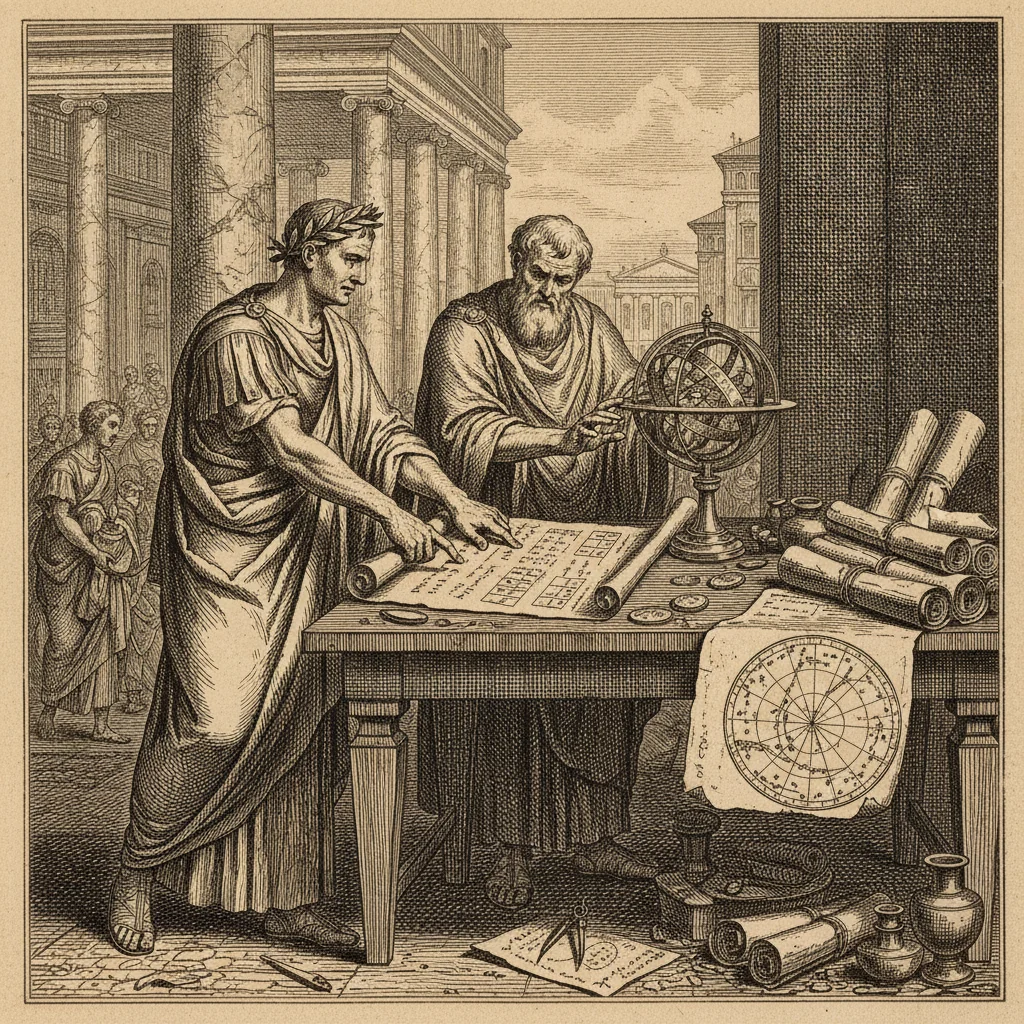
By the time of Julius Caesar, the Roman calendar was a mess. Its months had drifted so far that the calendar was about three months out of step with the seasons.
Caesar asked for advice from an astronomer from Alexandria named Sosigenes. Their solution was bold. First, to pull the seasons back into line, the year 46 BC was stretched to an astonishing 445 days. Romans later called it the "year of confusion".
Then, from 45 BC, a new calendar began: 365 days a year, with one extra day added every fourth year. Three ordinary years and one leap year average out to exactly 365.25 days.
It was a brilliant fix. It was also, very slightly, wrong.
Compare the two numbers:
Caesar's year: 365.25 days
The real year: 365.2422 days
The difference: 0.0078 of a day - only about 11 minutes each year
Eleven minutes is nothing. You could lose it waiting for a bus.
But it adds up. Every 128 years or so, Caesar's calendar gained a whole extra day on the seasons.
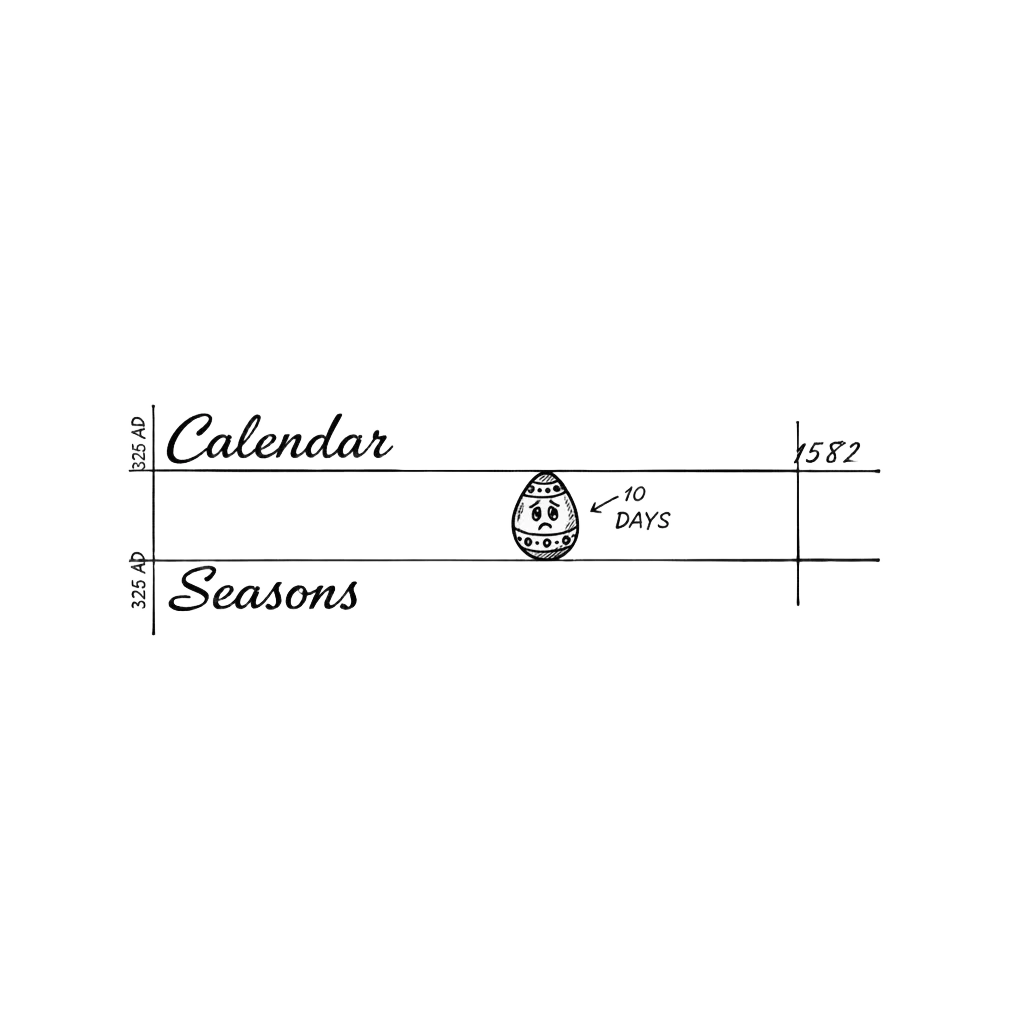
By the 1500s, the calendar was about ten days ahead of where it should have been. The spring equinox, which had fallen around 21 March when church leaders met at the Council of Nicaea in the year 325, was now arriving around 11 March.
That mattered enormously to the Church, because the date of Easter is calculated from the spring equinox. Easter was slowly wandering.
NumberMuseum tells the stories behind remarkable numbers - the people, the accidents, and the surprises hiding inside them. Get the next one delivered to your inbox.
One new story a week, at most.
At most one email a week.
In 1582, Pope Gregory XIII issued a decree, known by its opening words, Inter gravissimas, reforming the calendar.
The plan came mainly from a Calabrian doctor and astronomer, Aloysius Lilius, and was championed by the Jesuit mathematician Christopher Clavius.
It did two things. First, it deleted the drift. In Catholic countries - Spain, Portugal, the Italian states and Poland - Thursday, 4 October 1582 was followed directly by Friday, 15 October 1582. The days of the week carried on as normal; only the dates jumped.
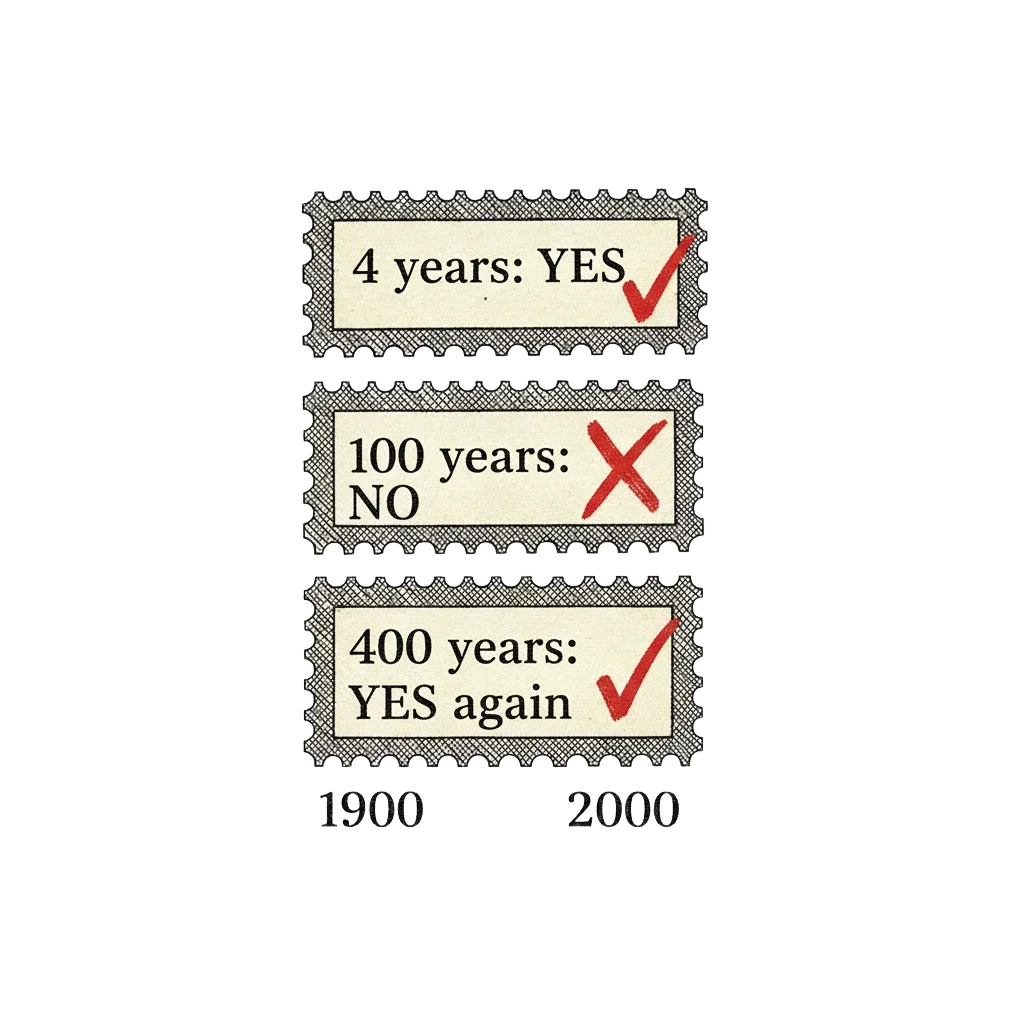
Second, it changed the leap-year rule so the drift would not come back:
That is why 1900 was not a leap year, but 2000 was. And it is why 2100 will not be.
This removes three leap days every 400 years, leaving 97 leap years in every 400. The average year becomes 365.2425 days - extraordinarily close to 365.2422.
The leap-year rule, in a nutshell
Every 4 years, a leap year. Every 100 years, skip it. Every 400 years, keep it after all.
A calendar ordered by the Pope was not welcome everywhere. Many Protestant and Orthodox countries refused to follow Rome's lead - for a while.
Britain and its colonies, including the future United States, held out for 170 years. By the time they gave in, the drift had grown to eleven days. So in 1752, Wednesday, 2 September was followed by Thursday, 14 September.
Russia did not switch until 1918, after the revolution. Greece, the last country in Europe to change its civil calendar, switched in 1923.
For centuries, travelling across Europe could mean travelling through time: the date changed when you crossed a border.


"Give us our eleven days!"
Largely a mythYou may have read that angry crowds in 1752 rioted, demanding their eleven days back. Historians have found little evidence of any such riots. The famous slogan appears on a placard in a satirical painting by William Hogarth, about a 1754 election - and over time, the joke was mistaken for history.
The eleven days did leave a real trace, though. It is part of the reason the UK tax year still starts in early April, instead of on the old quarter day of 25 March.
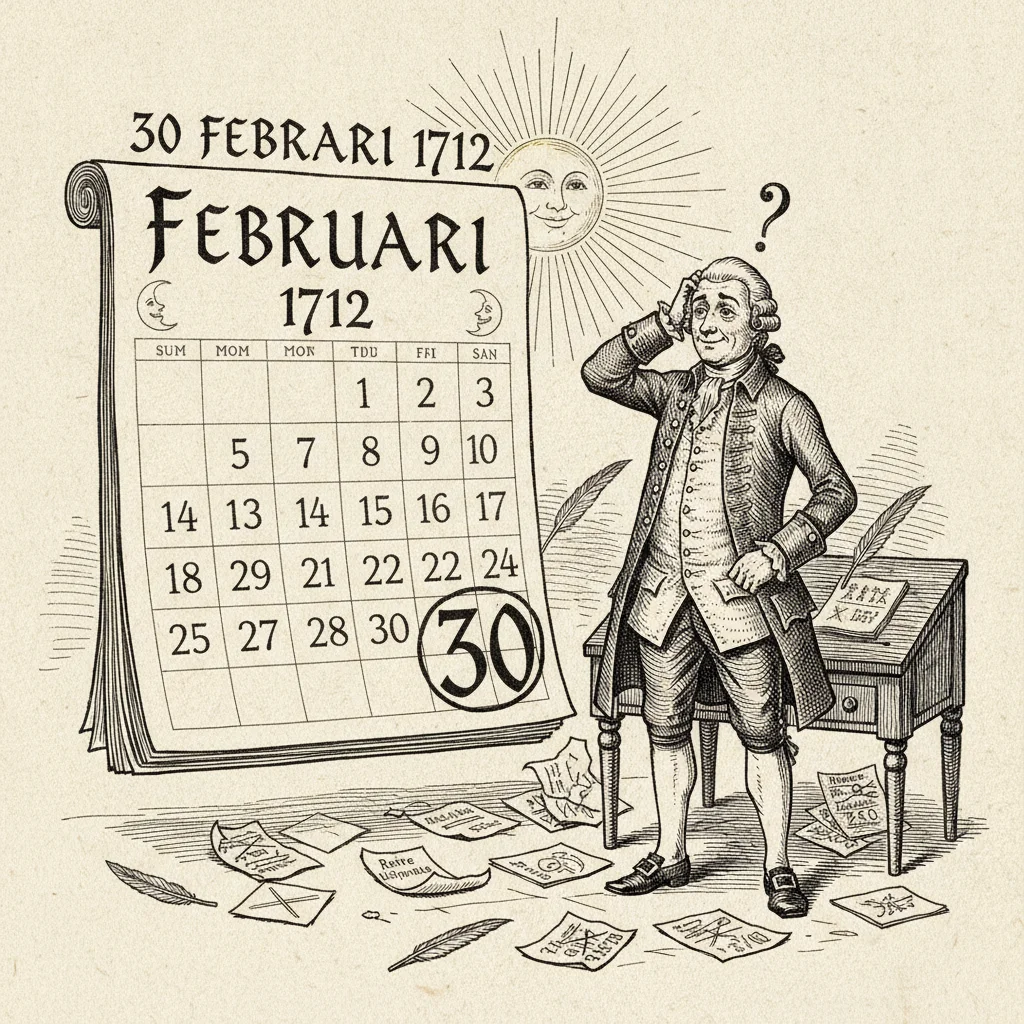
Sweden tried to be clever.
Instead of deleting eleven days all at once, it planned to switch gradually, by skipping every leap day from 1700 to 1740. It skipped the first one, in 1700. Then, in the chaos of war, it forgot to skip the next two.
Now Sweden was out of step with everyone - it matched neither the old calendar nor the new one.
So, to get back to the old calendar, Sweden added an extra leap day to 1712. That year, February had 30 days.
30 February 1712
is a real date in Swedish history.
Sweden finally made the full switch in 1753.
Is the Gregorian calendar perfect? Almost.
Its average year of 365.2425 days is still a tiny bit longer than the real 365.2422 - by about 26 seconds a year.
That means the calendar will drift by about one day every three thousand years or so.
Nobody is rushing to fix it. Over such long spans, the length of the year and the length of the day are themselves slowly changing, so any rule chosen now would need adjusting again anyway.
For now, the leftover fraction has been pushed so far into the future that it is someone else's problem.
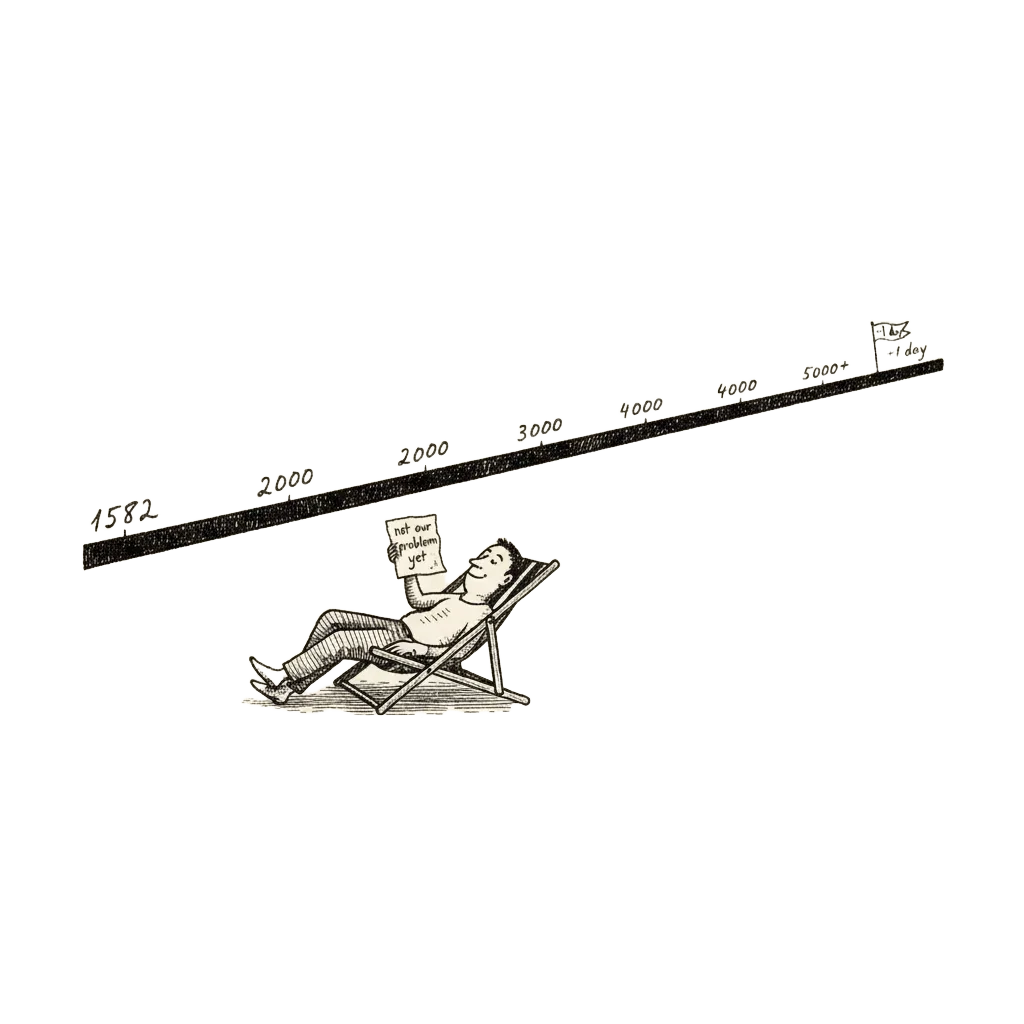
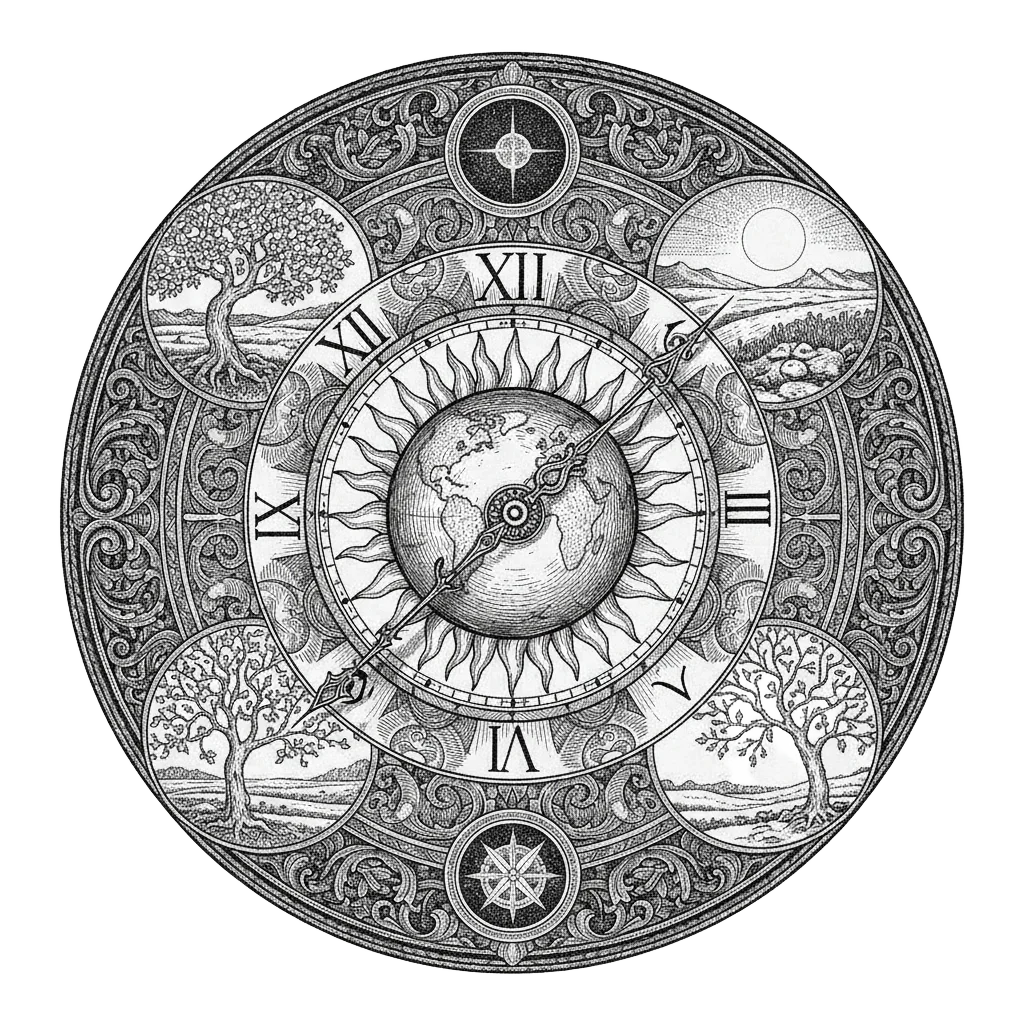
365.2422 is a reminder that nature was not designed to fit human systems.
The Earth does not care that we like whole days, or tidy weeks, or neat months. It goes round the Sun in its own time, and it leaves us a fraction.
Every calendar in history is really a clever compromise: a set of rules for sharing out that fraction so that, on average, the seasons stay where we expect them.
Caesar got the average to 365.25. Gregory's astronomers got it to 365.2425. Both were brilliant. Neither could make it exact.
Every February 29th is a small, living piece of this story.
So is every schoolchild who learns that 1900 was not a leap year. So is the Easter date that moves each spring. So is the tax year that begins in April.
The story of 365.2422 is one of the longest-running projects in human history: two thousand years of emperors, popes, astronomers and parliaments trying to line up our days with the sky.
And it is not finished yet.
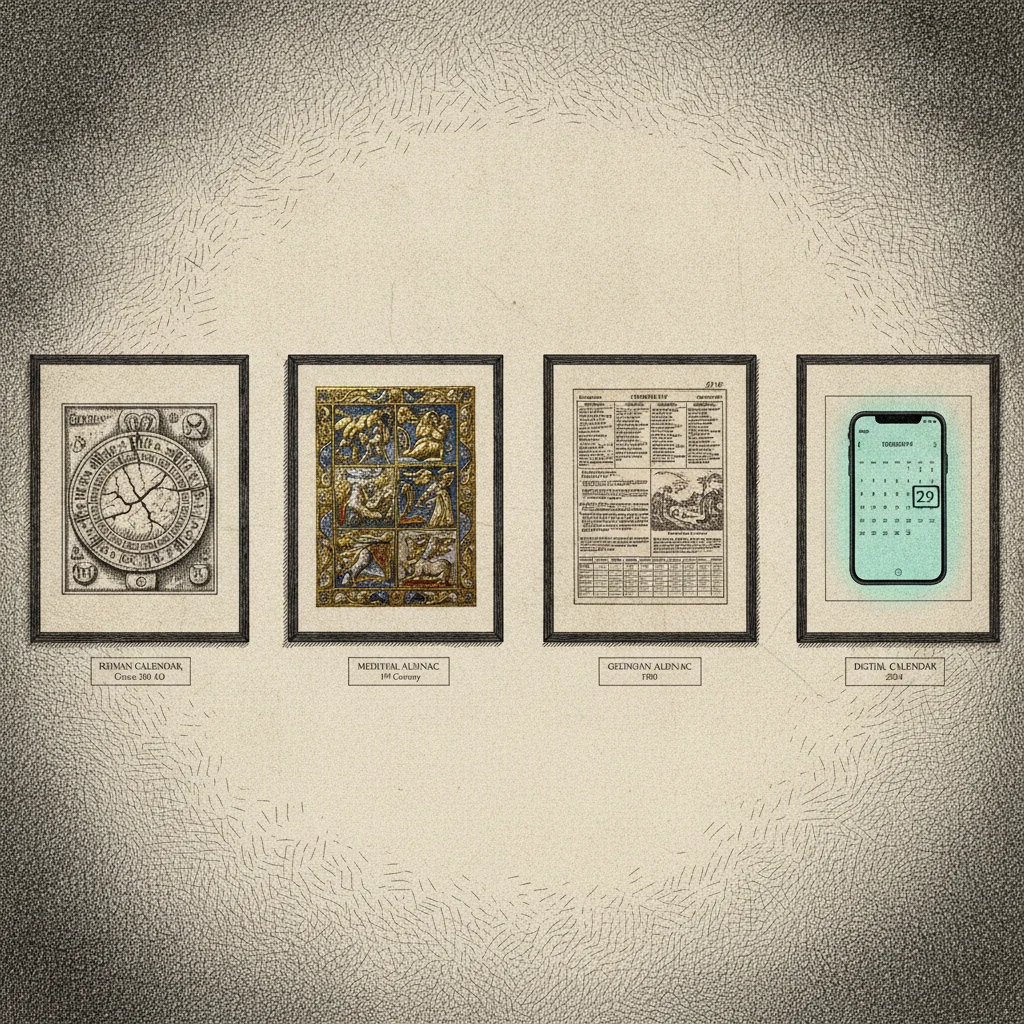
The seasons repeat about every 365.2422 days - not a whole number.
Julius Caesar's calendar used 365.25 days - a leap day every four years.
That was about 11 minutes a year too long - a whole day every 128 years.
By 1582, the calendar had drifted about ten days. Pope Gregory XIII removed them: 4 October was followed by 15 October.
The new rule skips leap years in century years unless they divide by 400, giving an average of 365.2425 days.
Britain switched in 1752, dropping eleven days. Sweden once needed a 30 February to sort itself out.
The remaining error is about one day every three thousand years or so. Nobody is in a hurry.
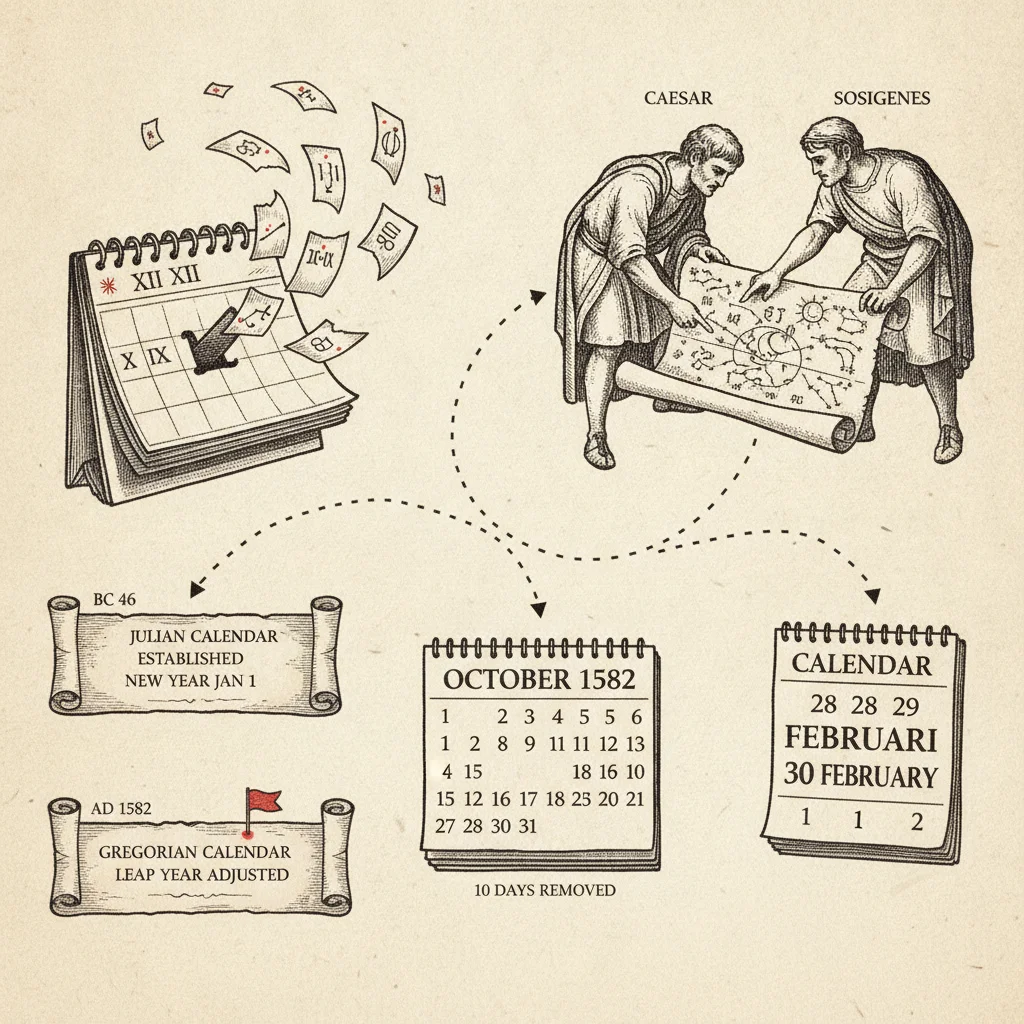
We gave the year whole days. It kept a fraction for itself.
365.2422 is the reason our calendar can never quite behave itself.
Inspired by
Powered by DollarPageClub